Concerto for brass (2026)
Commissioned by the BBC Proms, BBC Symphony Orchestra and Royal Scottish National Orchestra,
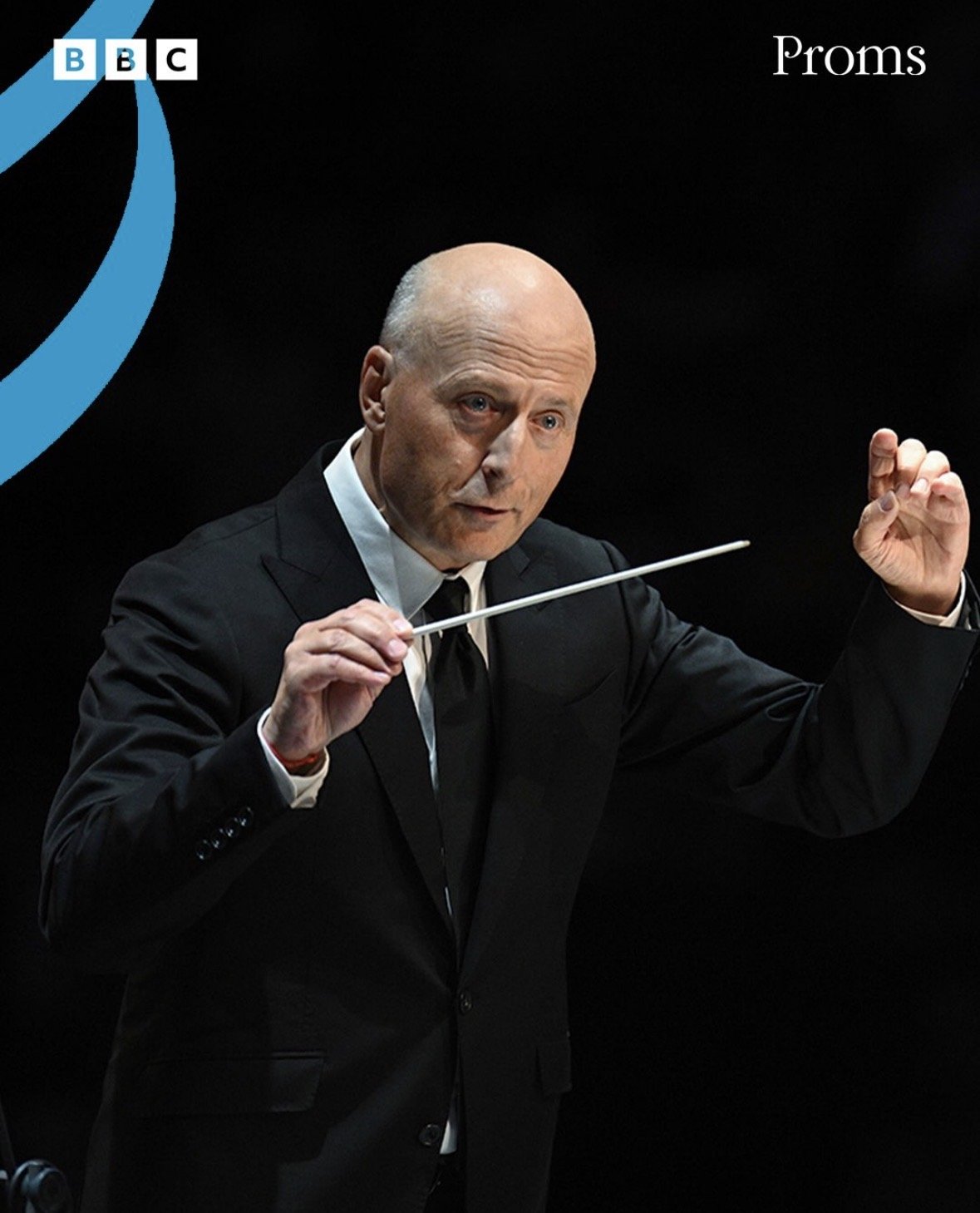
Premiere at the BBC Proms 2nd August 2026, conducted by Paavo Järvi. Scottish premiere to take place in 2028.
c. 17 minutes ww: 3(fl3 db picc) 3(ob 3 cor) 3 (cl3 db bs cl) 3 (bs3 contra), bs: 4331, p3 + timp+hp, strings
The work features the entire brass section (4331), with notable solos for the principal Horn, Trumpet and Trombone. Brass section is sat in their usual position within the orchestra.
“Bright, celebratory and eminently likable, the music shimmered and frothed, its energetic outbursts crowned with fluttering trumpets and underpinned by sonorous bass trombone and tuba.”
Programme Notes
I
II
III
When I began writing Concerto for Brass: SIGNAL, I found myself reflecting on the origins of brass instruments and the role they have played throughout history. Long before they became fixtures of the modern orchestra, brass instruments were used as a means of communication. They announced arrivals, marked ceremonies, warned of danger and carried messages across great distances. The idea of the brass instrument as a signal—a messenger—became the foundation of this concerto.
I wanted to celebrate the entire brass section. While each instrument has its own distinct personality and character, together they form a powerful collective voice. There are a number of moments that feature the principals as soloists on their instruments, and throughout the piece we hear a combination of solos, duos, trios, and the section as a whole.
The concerto is built from a simple musical idea: the interval of a fifth. One of the most fundamental intervals in music, it is closely associated with calls, fanfares and signals. From the opening bars, this interval provides the DNA for the entire work, generating much of the material heard across all three movements.
The first movement is a statement. It establishes the concerto's musical language and introduces the central idea of the signal itself—clear, direct and impossible to miss.
The second movement offers a contrast. It begins with a horn solo before unfolding into an extended chorale for the brass section. Here, the role of the signal becomes more reflective and human. Instead of a call projected outwards, the music feels closer to a shared conversation, revealing the warmth and depth that lie at the heart of these instruments.
The final movement opens with a trumpet solo suspended above a slowly evolving orchestral texture, as though a message is emerging from afar. As the movement develops, the music gathers energy and momentum before arriving at a cadenza-like section that allows the brass section to take centre stage one final time.
At its core, SIGNAL is a celebration of the brass section's unique role within musical history. Whether ceremonial, martial, communal or deeply personal, the sound of brass has always carried meaning. This concerto pays tribute to that history while exploring the extraordinary range of expression that the brass section can bring to the modern orchestra.